


The key takeaways
-
The historical data indicates that Bitcoin outperforms other currencies during times of trade wars or liquidity injections, despite the initial fear.
-
The CME Futures market is indicating that professional traders have been buying on the drop.
BitcoinBTCAfter 18 consecutive days below $75,000, traders have become increasingly nervous. A retest on the $64,200 level, caused by a decline in global stocks markets, intensified concerns. US President Donald Trump’s decision to hike import tariffs by 15% to the baseline has increased uncertainty. This is leading to investors adopting a more cautious stance.
Bitcoin’s performance has historically outperformed macroeconomic changes that are bearish, despite the fact these events seem negative. Risk perception has improved, Bitcoin miners showed resilience and professional traders took advantage of recent market dips to expand their positions.
The Trump administration issued an executive order on April 2, 2025, imposing broad sweeping changes. “reciprocal tariffs” On nearly all trading partners. As of April 9, 2020, additional tariffs will be applied to 75 nations, with China receiving a 34% increase. Bitcoin’s five-month low was $74,600. This coincided with a rally of 38% in the following months.
In times of uncertainty, traders prefer cash to Bitcoin
In times of uncertainty, the natural instinct among traders is to find shelter in money and government securities. Bitcoin, despite its benefits, is still not considered safe by many investors. Once the market understands that government may not be able to protect its citizens, it will become a safe haven. forced to inject liquidity Bitcoin is a great way to boost the economy.

To maintain smooth settlements and funding markets, the US Federal Reserve (Fed), lends money against Treasury collateral. The Fed’s lending is not a liquidation injection because it represents temporary conditions on the balance sheet. Nevertheless, peak levels in this indicator—such as the $100 billion seen on March 16, 2020—have historically marked reversals in Bitcoin’s price trend.
The COVID-19 collapse of 2020 was the start of a rally lasting several months, which took Bitcoin from $4,400 to $42,000. In other words, the people who said that Bitcoin was a bad investment because it fell 55% from its $19900 peak between May and Juli 2020 have been proven wrong. If liquidity conditions continue to deteriorate, a similar pattern may occur in 2026.

Nvidia US (NVDA) will report its quarterly results after the US Stock Market closes on March 23. Investors will be influenced by the results of the chipmaker, especially as worries about the rising debt in the tech industry grow. Shares of Coreweave and Oracle have both fallen over 50% since their all-time highest prices.
Although conditions have weakened for artificial intelligence companies, exodus from Bitcoin miners is a less risky investment now that the Bitcoin network has stabilized. hashrate has fully recovered A 25% drop in January. ASIC miners that were released between 2024-2025 are still profitable at a cost of electricity $0.07/kilowatt hour.
Related: Bitcoin miner MARA buys majority stake in AI data center firm Exaion
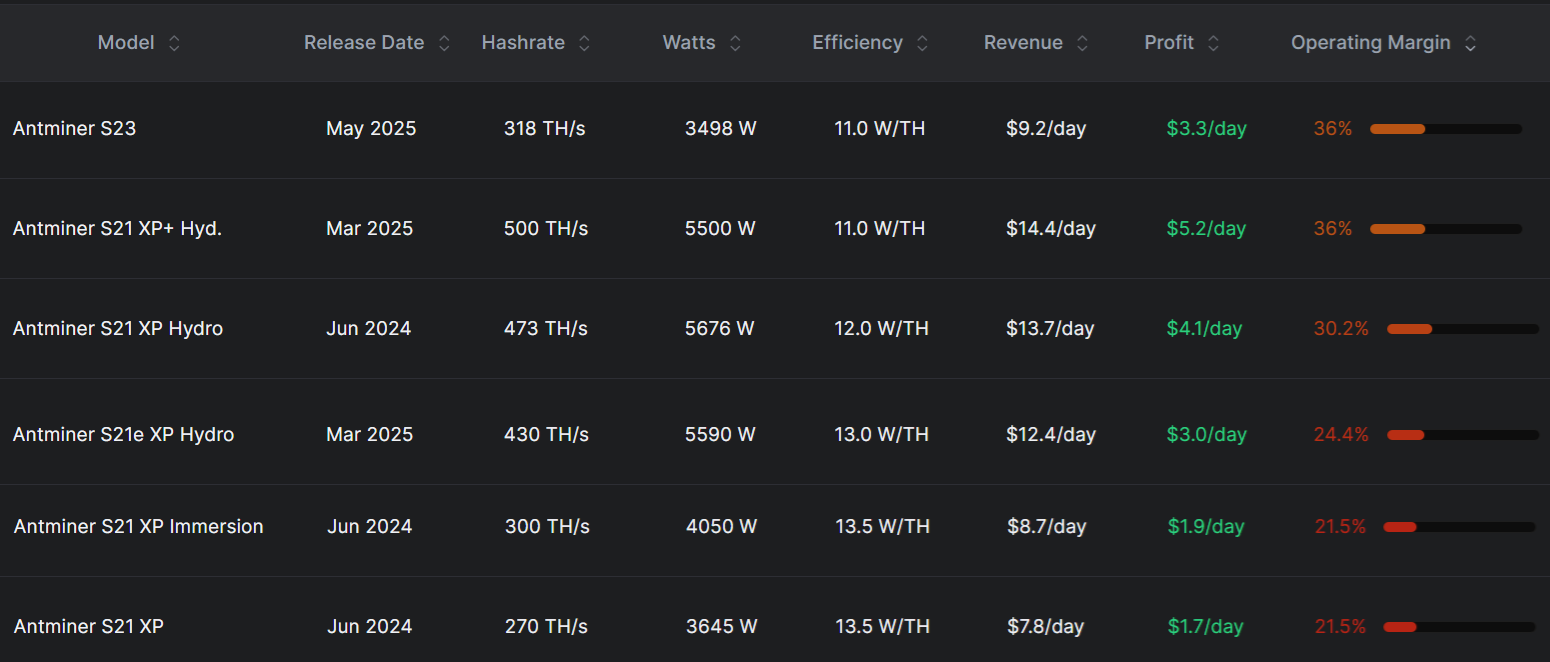
De-escalation is the de-escalation “miner death spiral” Professional fund managers may be more bullish now because of fears. The CME Bitcoin futures have been shifted by large investors, such as hedge funds, from being net-short to net-long. according to a CFTC report Published last week. Tom McClellan, an analyst at the University of California Berkeley noted two historical changes that preceded major Bitcoin prices bottoms.
Bitcoin may soon return to $75,000. While there’s no clear indicator of a cycle bottom, the combined effects of fears about excessive AI sector valuations as well as the strength of the mining sector, could drive the price of Bitcoin up.
This article contains no investment recommendations or advice. Risk is inherent in every investment decision and trade. The reader should always do research prior to making their decisions. Cointelegraph strives to deliver accurate, timely and reliable information. However, Cointelegraph cannot guarantee that the information contained in this article is complete, accurate, or reliable. The article could contain statements which are forward-looking and subject to risk. Cointelegraph is not responsible for loss or damages resulting from the reliance of this information.
“This article is not financial advice.”
“Always do your own research before making any type of investment.”
“ItsDailyCrypto is not responsible for any activities you perform outside ItsDailyCrypto.”
Source: cointelegraph.com


