


As protocols compete with each other, they are increasingly forced to revisit the original incentives that fueled DeFi’s rapid growth. In reality, Uniswap [UNI] Has become the latest firm to experiment with this change after it proposed a reduction up to 33 percent in incentives for V4 liquidity providers.
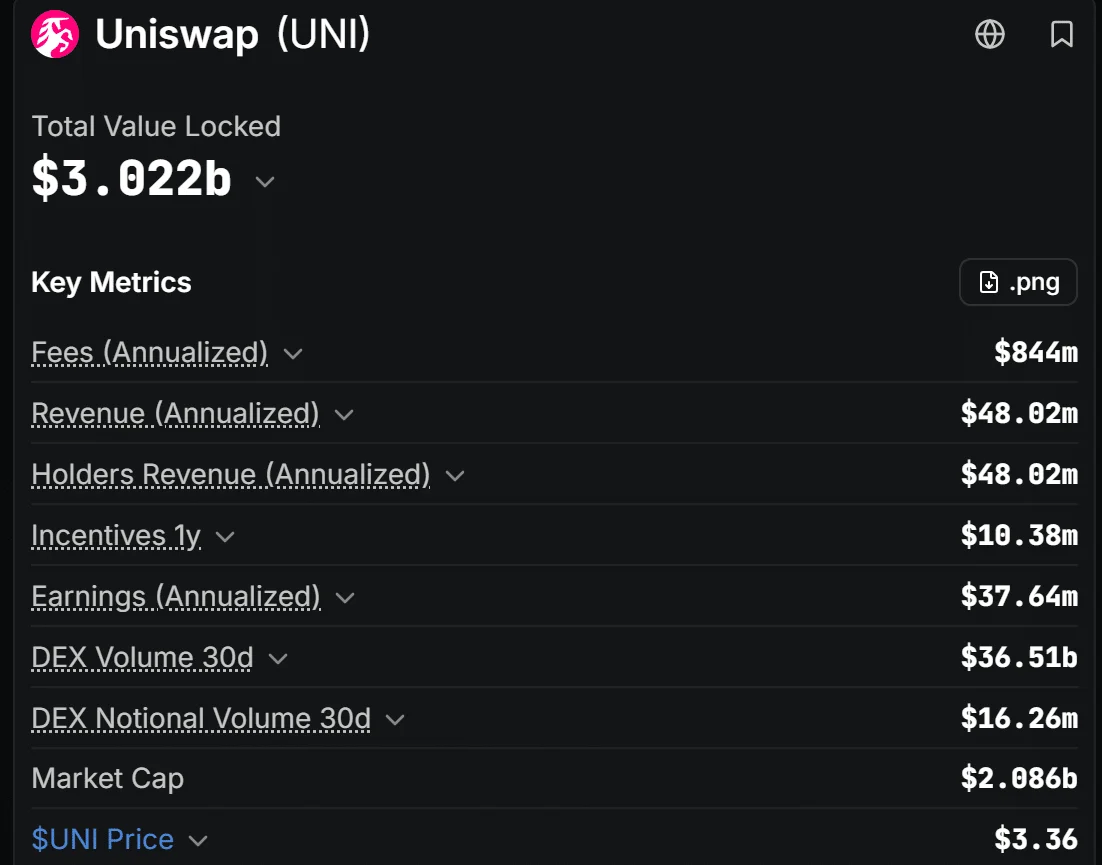
Uniswap’s TVL, which stands at 3,02 billion dollars and its volume monthly hovers around 36 billion dollars at the time of publication. It was clear that Uniswap had a strong position in the market despite fierce competition among rival decentralized markets.
This proposal is a radical departure from the previous models. V3 used a much higher percentage of every trade as an incentive to early liquidity providers in order to capitalize quickly on the platform.
The protocol, however, believes that lower costs of trading, tighter margins and better capital use will lead to an increase in volumes sufficient enough to compensate for reduced returns from LP.
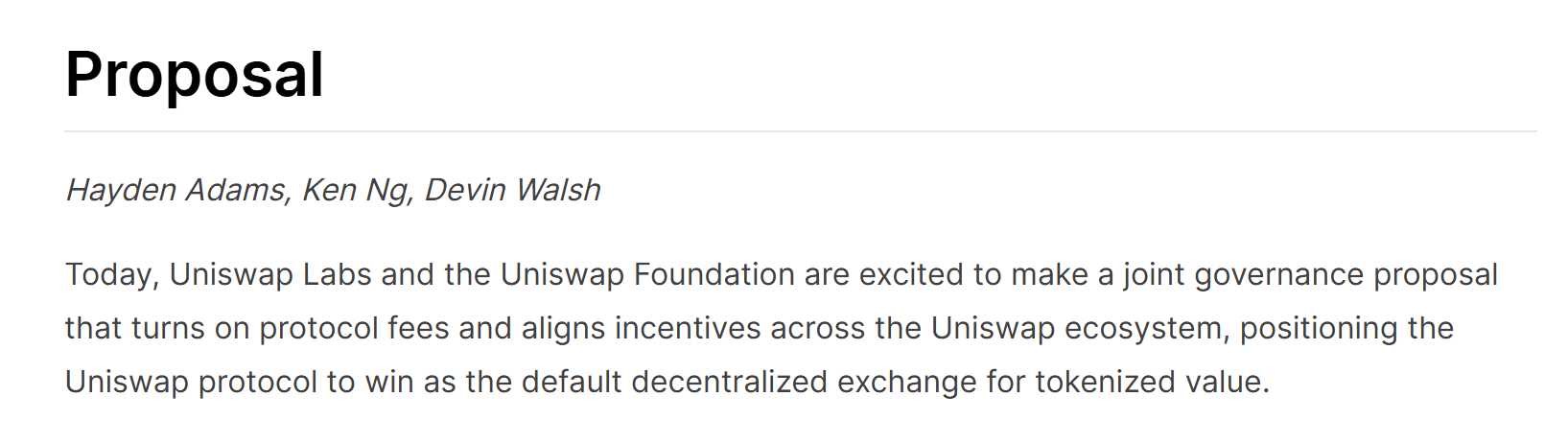
The calculation itself carries a significant risk. Liquidity providers have the ability to easily transfer capital into protocols with higher returns. If the trading activity increases fast enough, a new model may strengthen. Uniswap’s long-term competitiveness.
But reducing LP participation can also affect liquidity and reshape the incentive structure across DeFi’s ecosystem.
Uniswap strengthens stablecoin liquidity
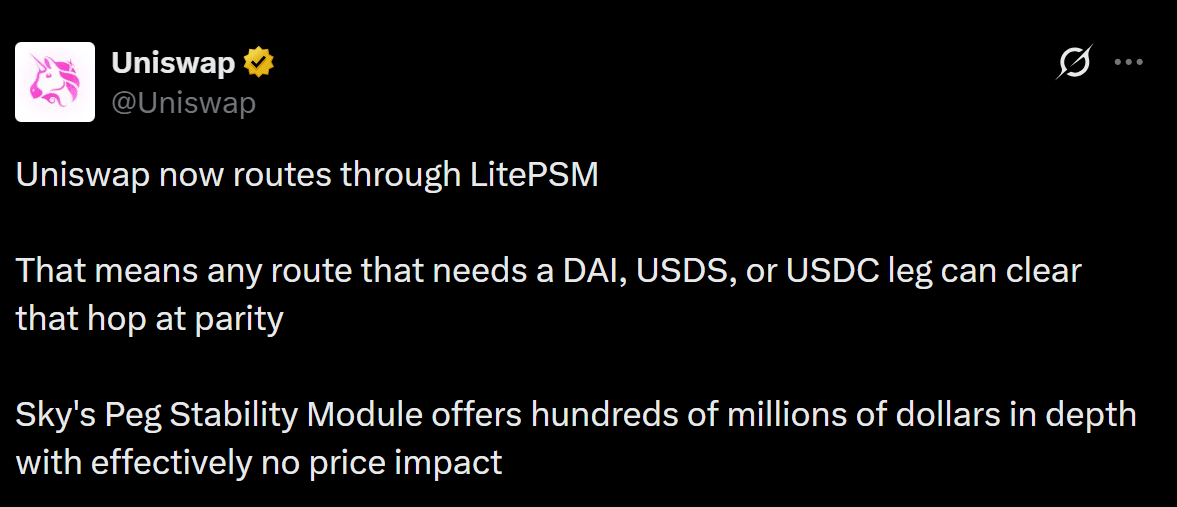
By integrating Sky LitePSM, Uniswap has begun to implement this strategy.
The peg stability modules allows zero slippage routing for USDS, DAI and USDC. This integration increases liquidity and reduces costs of execution, allowing larger trades settle at minimal prices.
Sky’s FX Layer will also be enhanced as stablecoin routing based on parity is converted into operational infrastructure. These enhancements may improve Uniswap’s competitive position, but infrastructure by itself is not enough to increase trading volume.
The success of the system will depend ultimately on whether or not lower friction in execution attracts sufficient users and volumes to compensate for reduced liquidity providers incentives.
It is the market’s adoption, not protocol design that will determine Uniswap’s success. The success of Uniswap will be determined by whether higher volumes and better execution can offset the lower rewards for liquidity providers.
If traders accept the model, Uniswap’s leadership could be strengthened. If this is not the case, then rival DEXs might attract liquidity instead by offering incentives that are more competitive.
Final summary
- Uniswap [UNI] The proposal is to prioritize execution of the plan over higher incentives for liquidity.
- Uniswap now relies on volume of trading, and not just liquidity incentives.
“This article is not financial advice.”
“Always do your own research before making any type of investment.”
“ItsDailyCrypto is not responsible for any activities you perform outside ItsDailyCrypto.”
Source: ambcrypto.com


