

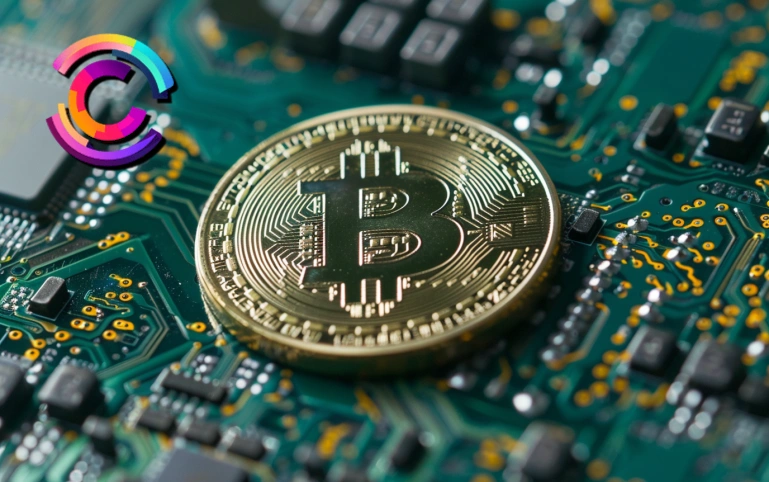
Bitcoin, once a footnote only known by the tech-savvy on a more exclusive internet has now become arguably one of the most important players in modern day’s economy. financial landscape.
Although we all know the impact of BTC on financial As markets become a part of our daily news, we forget how they affect real changes and real people.
The following are some of the ways to improve your own ability. those historically marginalized by traditional banking BTC is a great alternative to traditional banking due to the lack of access or barriers such as poor credit. financial tool. The impact of this tool is greatest in the developing world, where many people still have difficulty accessing banking.
Bitcoin here is not just an investment or currency; it allows you to take part in important activities. financial Sending and receiving money is one example of an activity that was previously out-of-reach.
Let’s forget, for just a moment, about the potential of speculative gains. financial gain—the true value of Bitcoin lies in its potential to level the financial Access to the playing field financial Previously, only those with a more stable economic background were able to access these tools.
Bitcoin’s contribution to the world is what will endure despite its fluctuations in value. financial Inclusion, making it the beacon of hope to more equitable access financial Service providers worldwide
Bitcoin: A historical perspective financial Inclusion
Bitcoin is a new phenomenon. financial The creators of this currency aimed to create a decentralized system that would bypass the traditional banking system and aid society in avoiding a repetition of 2008. financial crisis.
It was not only technical, but also deeply ideological in nature. The goal of the vision was to empower all individuals. financial autonomy.
The core of the organization is its people. Bitcoin promised to make financial services accessible Everyone with Internet access can benefit from the benefits of conventional financial institutions.
The promise of this service has been realized in Nigeria where many people cannot access traditional banking services. In Nigeria, Bitcoin has become more than a speculative asset—for instance, with the country’s significant diaspora, Bitcoin facilitates remittances, enabling Nigerians living abroad to send money home more efficiently and at lower costs compared to traditional banking services.
Bitcoins have become a significant currency in Argentina. financial You can also find out more about the tool by clicking here. amidst the country’s ongoing economic challengesFor Argentinians, Bitcoin offers a more stable value store than their national currency, the peso. Bitcoin is a better store of value for Argentinians than the peso. which has suffered from significant depreciation Over the years,
In Ghana, the inflation rate has been increasing annually. predicted to land in the 13% to 17% range In 2024,
In Venezuela, a country grappling with political instability and economic crisesBitcoin’s role is unique. It goes beyond simply preserving your wealth in the face of hyperinflation. Bitcoin can be used in this way. support microfinance initiatives and charitable donationsThe lives of people in dire need are directly impacted. The use of cryptocurrency by platforms and organizations can help them bypass conventional funding. financial To provide direct assistance to those who are most in need, we must use systems that are not always reliable, or often unavailable, for their poorer populations. financial assistance.
It also allows entrepreneurs to conduct international business without having to open bank accounts, or risk currency devaluation. The decentralization strategy is both a way to protect against crises and an instrument of freedom in the face of authoritarian governments.
Bitcoin ETFs are gaining institutional attention and a growing number of investors.
The Bitcoin price movement can be tracked without having to buy, store, or manage the digital currency. BTC ETFs offer a familiar, regulated avenue For institutional investors to invest in the Bitcoin space.
Bitcoin’s volatility and unregulated nature had previously deterred institutional investors. With the introduction of ETFs, and other regulated products for investment, many institutional investors have been attracted to Bitcoin. can now participate in the cryptocurrency marketBitcoin, as well as the crypto-market in general, will benefit from increased credibility and stability.
The institutional investment in Bitcoin is having a double impact.
It introduces an unprecedented level of liquidity and stability, making Bitcoin more appealing to both institutional and retail investors.
The other side of the coin is that represents a shift from Bitcoin’s original ethos Decentralization and democratization in finance.
Another point to consider is that institutional interest isn’t limited to private, for-profit enterprises—with countries like El Salvador, which recently took custody of its national Bitcoin treasury The general attitude towards cryptocurrency is changing, and the government’s approach to it, too.
Institutionalization of the disabled: Potential impact on access
Bitcoin can be made more appealing by these new developments. contributing to market stability and reducing volatility—a key concern that has deterred a broader demographic from embracing cryptocurrencies.
Entry of institutional investors could also boost liquidity on the Bitcoin market. This would make it more stable for both individuals and companies worldwide.
Institutionalization can also increase the barriers for marginalized peoples to enter the market.
Bitcoin is appealing to these groups because of its very nature. is its accessibilityAbility to Participate in the financial The only thing you need is a smartphone with an Internet connection. In the future, as the regulatory environment becomes more strict and the market is institutionalized the process of purchasing and using Bitcoin may become even more complicated.
The requirements for rigorous identification verification, compliance with financial Regulations are necessary to prevent fraud, but they also hinder the process. financial Inadvertently, security could be used to exclude people who do not have formal identification documents or are living in regions where regulations may be less clear.
Moreover, the shift towards institutionalization This could lead to the same type of concentration of power and wealth within the Bitcoin eco-system as in traditional economies. financial systems.
The concentration of Bitcoin could be detrimental to its decentralized nature, as it would become less about the empowerment of the individual and instead more about institutional interests.
It is important to find a good balance between leveraging institution interest in order to give Bitcoin stability and legitimacy, as well as ensuring it delivers on its revolutionary promise. financial The spirit of inclusivity is not compromised.
Cryptocurrency adoption and financial inclusion
Sub-Saharan Africa, with its blend of limited banking infrastructure and high mobile penetrationIt has become a hotbed for adoption. This region is characterized by a smaller market in traditional terms. financial Metrics show that cryptocurrency is used by the general public at a very high level.
Nigeria is ranked second in the world, and not just on the Global Crypto Adoption Index It also tops the list of P2P trade volumes in Sub-Saharan Africa and around the globe. Kenya, Ghana, South Africa and many other African countries are also prominently featured on the Index, highlighting the acceptance of crypto currencies as a viable alternative. financial instruments
Adoption is driven by practical needs rather than speculation, and cryptocurrencies serve as a hedge to inflation and devaluation of currencies.
Where in Ghana is Ghana? inflation surged to its highest level in two decades In other countries, such as Nigeria, Kenya, or South Africa that are facing economic difficulties, cryptocurrency has become a way of protecting wealth. In recent years, the shift to digital currencies such as Bitcoin and stablecoins reflects an overall search for financial stability. financial stability and freedom
Peer-to-peer transactions, especially prominent in Sub-Saharan AfricaThe region is unique in its crypto-related transactions. The high number of P2P payments is due to crypto being used for everyday transactions, such as retail payment, remittances and commercial transactions.
Cryptocurrency is preferred to traditional banking financial services is not just a matter of convenience but a necessity in regions where local currencies are losing value, as seen in countries like Nigeria and Kenya
You can bypass traditional financial In addition to removing financial barriers for markets that are underserved, initiatives such as the ‘Crypto-Alliance of Canada’ have shown how cryptocurrencies can be used in a variety of ways. Empowa You can also find out more about the following: Pezesha Blockchain is being used in Mozambique & Kenya to help facilitate real estate developments and link MSMEs with global lending.
The balance between institutional and individual interests financial Inclusion
Bitcoin is still navigating the water between grassroots empowerment, and institutional adoption. Its future presents a stark dichotomy.
Bitcoin is a viable, trusted currency because of increased institutional interest. financial Asset globally.
The shift in Bitcoin could also undermine its inclusivity, which is a key component of the appeal it has enjoyed, particularly with minorities or regions without access to conventional banking services.
To make sure that Bitcoin remains a tool for empowermentA balanced approach is needed. A regulatory framework that promotes inclusivity is one potential path.
Consumer protection regulations could be developed without stifling innovation Or access to cryptocurrencies. Peer-to-peer networks can also empower individuals through direct transaction without traditional financial intermediaries. financial intermediaries.
The conclusion of the article is:
Bitcoin’s fundamental role in the world of financial institutions is becoming more apparent as it evolves. financial Inclusivity is a topic that has both opportunities and challenges. Bitcoin must continue to be a tool for marginalized groups. This requires a delicate balance between the stabilizing effects of institutional involvement and its democratizing potential.
One thing is certain—the future of Bitcoin hinges in large part on maintaining its essence as a lifeline for financial Global empowerment:
Kiara is the author of this guest post. The opinions expressed by the authors are their own. own The views expressed herein do not necessarily represent those of BTC Inc. or Bitcoin Magazine.
“This article is not financial advice.”
“Always do your own research before making any type of investment.”
“ItsDailyCrypto is not responsible for any activities you perform outside ItsDailyCrypto.”
Source: bitcoinmagazine.com


